Peptide Series: Part 5: Peptides for Mental Health and Brain Performance
In recent years, peptides, short chains of amino acids that signal specific physiological functions, have become powerful tools for neuroenhancement. Backed by emerging science and clinical use, certain peptides are showing promise for boosting cognition, improving mood, reducing neuroinflammation, and enhancing neuroplasticity.
This blog post is a comprehensive look at cognitive-enhancing and mood-stabilizing peptides, including how they work, who can benefit, optimal dosing protocols, stacking strategies, and labs to monitor before and during use.
Important Disclaimer: This article is intended for educational purposes only and should not be considered medical advice. The peptides discussed are available both as a research chemical and by prescription; however, it is not FDA-approved for human use in all contexts. All information mentioned is for education, and does not constitute a recommendation. Always consult with a licensed healthcare professional before starting or changing any treatment or supplement regimen.
In the context of mental health, certain peptides can influence:
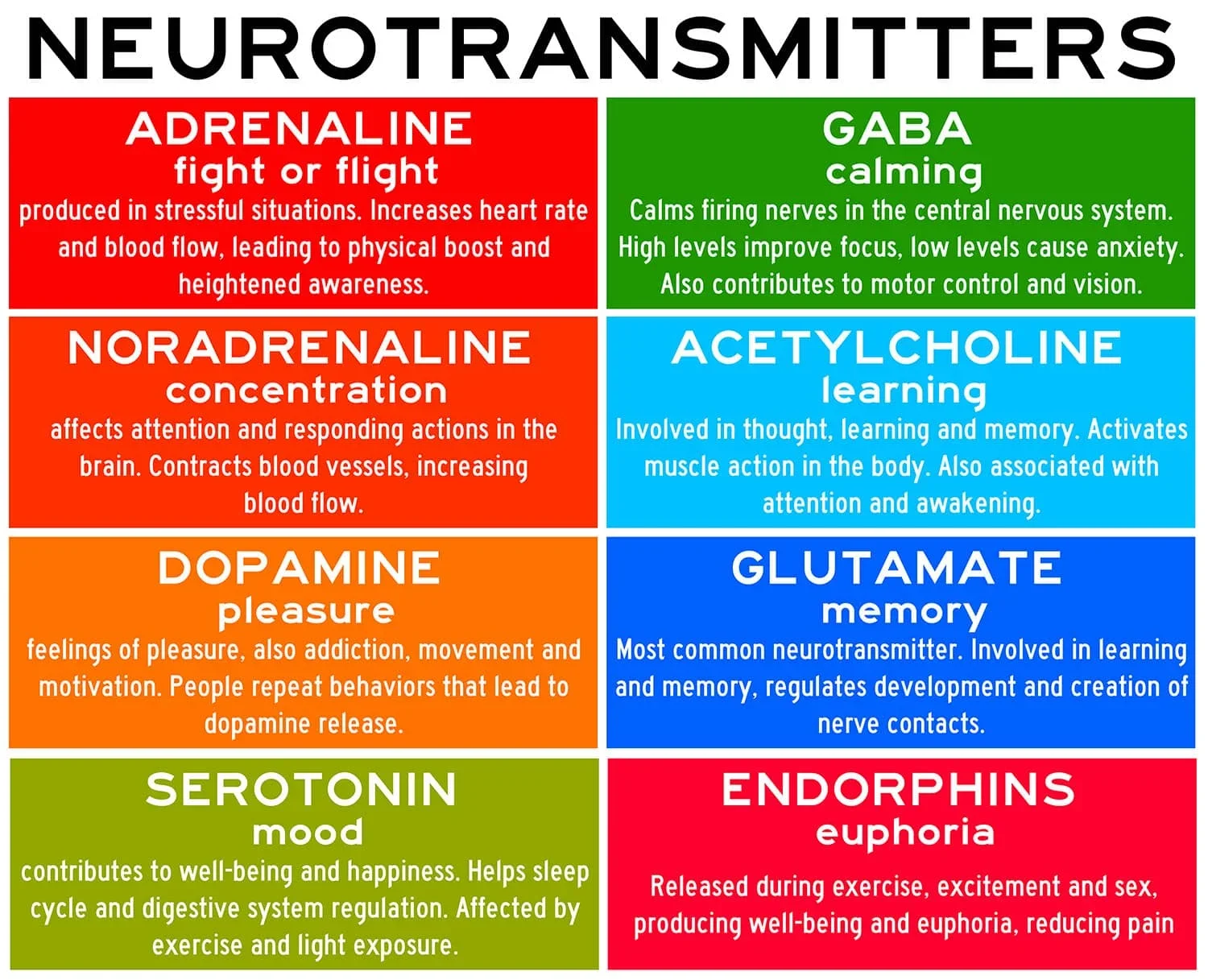
Neurotransmitter balance (dopamine, serotonin, acetylcholine)
Neuroplasticity (BDNF signaling)
Mitochondrial health
Blood-brain barrier permeability
Inflammatory and oxidative stress responses in the CNS
Unlike pharmaceuticals, peptides often work with your body’s biochemistry to restore balance, making them attractive for long-term cognitive health strategies.
Top Peptides for Mental Health and Cognition
1. Selank
Selank is gaining attention for its unique ability to reduce anxiety while enhancing mental performance. Unlike stimulants that ramp up energy or sedatives that dull the senses, Selank appears to strike a rare balance—calming the mind while sharpening cognitive function. But what exactly is Selank, and how does it work?
What is Selank?
Selank is a synthetic peptide, meaning it’s a short chain of amino acids created in a lab. It was developed in Russia as part of a research program into neuropeptides, compounds that influence brain activity and emotional regulation.
Selank is derived from tuftsin, a naturally occurring peptide involved in immune function. Researchers modified it to improve stability and efficacy in the brain. The result is a compound that’s often described as an anxiolytic nootropic, a substance that can reduce anxiety and enhance cognitive performance.
How Does Selank Work?
Selank’s exact mechanisms are still being studied, but researchers believe it works through several pathways:
Modulation of GABA activity: GABA (gamma-aminobutyric acid) is the brain’s primary inhibitory neurotransmitter. It plays a major role in calming neural activity. Selank seems to enhance GABA signaling, which may explain its anti-anxiety effects without the sedation associated with drugs like benzodiazepines (Ativan, Xanax, Valium).
Influence on serotonin and dopamine: Selank may help regulate levels of serotonin and dopamine, two neurotransmitters essential for mood, focus, and motivation.
Immune system support: Because of its origins in tuftsin, Selank also appears to have immunomodulatory properties, meaning it might help regulate the immune system and reduce inflammation.
Improved BDNF expression: There’s evidence suggesting Selank may boost brain-derived neurotrophic factor (BDNF), which supports the growth and survival of neurons, key to learning and memory.
Potential Benefits of Selank
Though most clinical studies have taken place in Russia and Eastern Europe, preliminary findings and anecdotal reports suggest several potential benefits:
Reduced anxiety: Selank is often compared to traditional anxiolytics but without the sedative effects or potential for addiction.
Enhanced focus and mental clarity: Users report improved attention and cognitive processing, particularly under stress.
Mood stabilization: Some evidence points to mood-enhancing effects, making Selank potentially useful in managing mild depressive symptoms.
Support during withdrawal or stress: It’s been studied as a support agent for people experiencing withdrawal from substances like alcohol or during periods of high mental stress.
How is Selank Used?
Selank is typically administered as a nasal spray, allowing for quick absorption into the bloodstream and brain. I’s generally categorized as a research chemical in countries outside Russia.
Dosage varies depending on the source and the purpose, but many protocols suggest microdosing over several days or weeks, with breaks in between to monitor effects. Typical intranasal dosage is: 250-500 mcg 1-2 times per day. Some administer it subcutaneously, but this is not as common. Common side effects include: nasal irritation (mild) and rarely headache and dizziness.
Important Note: Selank is not FDA-approved, and quality control can vary among vendors. Anyone considering it should consult with a healthcare provider and use caution, especially when purchasing from non-verified sources.
2. Semax
Semax is a synthetic peptide touted for its neuroprotective and cognitive-enhancing effects. Like Selank, Semax was also developed in Russia.
What is Semax?
Semax is a synthetic peptide derived from a portion of adrenocorticotropic hormone (ACTH), but without the hormonal effects typically associated with ACTH. It was originally developed in the 1980s by Russian scientists to treat brain damage, cognitive disorders, and stroke recovery. Since then, it’s been used in Russia and surrounding countries as a prescription medication for various neurological conditions.
In the US, it’s categorized as a research chemical, not FDA-approved and not available through traditional pharmacies.
How Does Semax Work?
Semax operates on several levels in the brain and nervous system, offering a blend of neuroprotection, cognitive enhancement, and mood support. Its mechanisms are still being studied, but here’s what the research suggests:
Increased BDNF (Brain-Derived Neurotrophic Factor): Semax has been shown to significantly upregulate BDNF, a key protein involved in neuroplasticity, the brain’s ability to grow, adapt, and form new connections.
Improved dopaminergic and serotonergic regulation: Semax may help modulate the release and balance of dopamine and serotonin, neurotransmitters involved in focus, motivation, and mood.
Neuroprotection and antioxidant effects: It appears to reduce oxidative stress in the brain, which is critical for maintaining long-term cognitive health.
Enhancement of cerebral blood flow: Some studies suggest Semax improves blood supply to the brain, especially in conditions involving ischemia or reduced oxygen delivery.
Potential Benefits of Semax
While much of the published research is Russian and not yet widely replicated in international trials, Semax has shown promise in several areas:
Cognitive enhancement: Users report improved focus, memory recall, and mental clarity, especially during high-demand tasks or periods of fatigue.
Mood support: Anecdotal evidence suggests Semax can enhance mood and motivation, possibly helping those with mild depression or burnout.
Neuroprotection: It’s been studied for its protective role in traumatic brain injuries, strokes, and neurodegenerative conditions.
Stress resilience: Unlike many stimulants, Semax may help sharpen mental performance without increasing anxiety or jitteriness.
How is Semax Used?
Like Selank, Semax is usually administered via intranasal spray, allowing for direct and relatively fast transport to the brain. Dosage varies depending on the use case, ranging from daily microdoses for nootropic purposes to higher doses for recovery from neurological trauma.
There are also variants of Semax, like NA-Semax-Amidate or Semax with PGP (Pro-Gly-Pro), which are chemically enhanced versions believed to have stronger or more targeted effects.
Important Reminder: Semax is not approved by the FDA. It should only be used under the supervision of a qualified healthcare provider. Quality and purity can vary greatly between sources.
Semax vs Selank
While both are synthetic peptides developed in Russia and used for cognitive and emotional support, they differ in their primary actions:
Semax is mainly used for cognitive enhancement, boosting focus, memory, and mental energy through its effects on BDNF and dopamine. It's stimulating and often used for productivity.
Selank, in contrast, is an anxiolytic that promotes calm and emotional balance by modulating the GABA and serotoninsystems. It's more calming than stimulating.
Semax sharpens the mind, Selank soothes it, and some users combine them for balanced mental performance.
3. Dihexa
Dihexa is gaining attention for its powerful potential to enhance learning and memory by promoting the formation of new neural connections. Unlike most nootropics that temporarily boost neurotransmitters, Dihexa may actually rebuild and rewire the brain, offering long-term cognitive enhancement.
What is Dihexa?
Dihexa is a synthetic peptide originally developed by researchers at Washington State University. It was designed as a derivative of angiotensin IV, a compound in the body involved in blood pressure regulation but also found to have cognitive effects. By modifying angiotensin IV, scientists created Dihexa to be more stable, brain-permeable, and significantly more potent. It is estimated to be over a million times stronger in promoting synapse formation.
How Does Dihexa Work?
Dihexa works by targeting a pathway essential for neurogenesis and synaptogenesis, the formation of new neurons and synapses. Here are its main mechanisms:
HGF/c-Met pathway activation: Dihexa binds to and activates the hepatocyte growth factor (HGF) and its receptor c-Met, a signaling pathway known to be involved in cell growth, repair, and synaptic plasticity. This sets it apart from most nootropics.
Increased synaptic connectivity: By enhancing the ability of neurons to form new synapses, Dihexa may improve learning speed, memory consolidation, and long-term retention.
Potential neuroprotective effects: Some studies suggest Dihexa could help reverse or slow cognitive decline by repairing damaged neural circuits.
Potential Benefits of Dihexa
Although formal human studies are limited, preclinical research and anecdotal reports suggest Dihexa may offer a wide range of cognitive benefits:
Enhanced memory formation: Users often report sharper recall and better retention of new information.
Accelerated learning: Dihexa may help improve the speed at which the brain processes and integrates new material.
Support in neurodegenerative conditions: It has shown potential in animal models of Alzheimer’s disease and dementia, possibly offering neurorestorative effects.
Cognitive restoration: Some users have explored Dihexa for recovery after brain injuries or mental burnout, with promising personal feedback.
How is Dihexa Used?
Dihexa is typically administered orally in capsule form or subcutaneously by injection, depending on the formulation and source. Unlike many peptides, Dihexa is stable and bioavailable when taken orally, which makes it more convenient than most other nootropics in its class.
Dosage is experimental and varies widely, but anecdotal use often falls in the range of 2–10 mg per day, sometimes cycled to prevent tolerance. Because it's a highly potent compound, many users start at low doses to gauge sensitivity.
Common side effects are rare but may include headache, irritability, or insomnia, particularly at higher doses. As with any research chemical, long-term safety is unknown.
Important Note: Dihexa is not FDA-approved and is considered a research chemical. Quality, purity, and formulation can vary significantly between sources. Always consult a healthcare professional before use.
4. Cerebrolysin
Cerebrolysin is attracting interest for its potential to repair, protect, and enhance the brain, especially in cases of cognitive decline, injury, or neurological disease. Unlike most nootropics, which are single compounds, Cerebrolysin is a complex peptide blend designed to mimic the brain’s natural growth and repair factors.
What is Cerebrolysin?
Cerebrolysin is a neuropeptide preparation derived from purified pig brain proteins. It’s produced through a standardized enzymatic breakdown, resulting in a mix of low-molecular-weight peptides and amino acids that can cross the blood-brain barrier and directly affect brain cells.
Developed in Austria by EVER Pharma, Cerebrolysin has been used for decades in Europe and parts of Asia to treat conditions such as stroke, Alzheimer’s disease, traumatic brain injury (TBI), and vascular dementia. It is available by prescription in these regions but is considered a research compound in countries like the U.S.
How Does Cerebrolysin Work?
Cerebrolysin acts like a neurotrophic factor—essentially a growth signal for the brain. Its mechanisms are broad and multifaceted:
Neuroprotection: Cerebrolysin protects neurons from damage caused by oxidative stress, excitotoxicity, and inflammation.
Neuroplasticity and neurogenesis: It promotes the growth of new neurons and synaptic connections, supporting recovery and learning.
Mimicking BDNF and NGF: It functions similarly to brain-derived neurotrophic factor (BDNF) and nerve growth factor (NGF), key proteins involved in neuron survival and development.
Cognitive restoration: It supports repair of damaged neurons and encourages restoration of brain function after injury or neurodegenerative decline.
Potential Benefits of Cerebrolysin
While much of the clinical research has been done outside the U.S., several studies and decades of use support its potential benefits:
Stroke recovery: Cerebrolysin is often used in post-stroke protocols to accelerate recovery of motor and cognitive function.
Alzheimer’s and dementia support: Some trials show improved cognition and daily functioning in patients with mild-to-moderate Alzheimer’s disease.
Traumatic brain injury (TBI): It's been studied as a neurorehabilitation agent after head trauma, with promising effects on attention and memory.
Cognitive enhancement in healthy individuals: Though not its primary use, some biohackers explore Cerebrolysin for mental clarity, focus, and neuroprotection, especially under high cognitive load.
How is Cerebrolysin Used?
Cerebrolysin is administered via intramuscular (IM) or intravenous (IV) injection, making it different from most common nootropics. Standard protocols include 5 to 10 mL IM daily, or 10 to 30 mL IV, typically over a course of 10 to 20 days, followed by a break.
It is often cycled rather than taken continuously, and dosages may vary depending on whether it's being used for neurorehabilitation or nootropic purposes.
Reported side effects are generally mild and may include injection site irritation, dizziness, or agitation in sensitive individuals. Serious side effects are rare but may occur, especially at higher doses or in compromised patients.
Best For:
Advanced neurodegenerative conditions
Post-stroke or TBI
Long COVID brain fog
Study Using Cerebrolysin in Early post stroke Recovery
5. Oxytocin
Oxytocin is gaining interest not just for its role in social bonding and emotional warmth, but also for its potential to enhance trust, reduce anxiety, and improve emotional intelligence. While commonly known as the "love hormone," oxytocin is increasingly being explored as a neuroregulatory tool with applications in mental health, trauma recovery, and even cognitive enhancement. But what exactly is oxytocin, and how does it work?
What is Oxytocin?
Oxytocin is a naturally occurring peptide hormone and neuropeptide produced in the hypothalamus and released by the posterior pituitary gland. It plays a major role in social bonding, sexual reproduction, childbirth, and emotional regulation.
Although our bodies naturally release oxytocin during moments of intimacy, trust, and connection, synthetic oxytocin is available as a nasal spray or injectable and is being investigated for therapeutic use in conditions such as autism spectrum disorder, social anxiety, PTSD, and emotional dysregulation.
How Does Oxytocin Work?
Oxytocin works by influencing multiple areas of the brain involved in empathy, reward, and emotional processing, including the amygdala, nucleus accumbens, and prefrontal cortex. Its key mechanisms include:
Social bonding enhancement: Oxytocin strengthens emotional connections by increasing trust, empathy, and the perception of social cues.
Stress reduction: It modulates the HPA axis, helping to lower cortisol levels and reduce the physiological response to stress.
Anxiolytic effects: Oxytocin can dampen activity in the amygdala, a brain region involved in fear and anxiety.
Emotional memory and processing: It may enhance the encoding and retrieval of emotionally relevant memories, improving interpersonal awareness and emotional insight.
Potential Benefits of Oxytocin
While research is still evolving, both clinical and anecdotal data suggest a range of potential benefits for mental health and human interaction:
Reduced social anxiety: Oxytocin has been shown to help people feel more relaxed and open in social situations.
Enhanced empathy and connection: Users often report feeling more emotionally attuned and connected to others.
Improved emotional resilience: It may support recovery from trauma and emotional dysregulation by facilitating a sense of safety and attachment.
Support in autism and attachment disorders: Oxytocin is being studied for its role in improving social engagement and communication in individuals on the autism spectrum.
Potential cognitive benefits: Some data suggest oxytocin may subtly enhance emotional intelligence, social cognition, and even trust-based decision-making.
How is Oxytocin Used?
Oxytocin is most commonly administered via intranasal spray, which allows for rapid absorption into the brain. Dosages vary widely, but a common research range is 24–40 IU (international units) per dose, often taken once or twice daily depending on the use case.
Some users microdose it for emotional tuning during social or therapeutic settings, while others use it as part of a short-term protocol for trauma healing or relationship work.
Reported side effects are generally mild and may include headache, drowsiness, or emotional overstimulation. Because it modulates emotions, timing and context of use are important. Effects can vary significantly based on environment and interpersonal dynamics.
Lab Testing Before and During Use
It’s critical to monitor biological markers when using cognitive peptides, especially with longer protocols. Suggested labs include:
Baseline: CBC & CMP: complete blood count and complete metabolic panel (includes liver testing)
CRP, IL-6, Sed rate (ESR), TNF-α: Inflammatory Markers
Cortisol (saliva or serum): Stress hormone regulation
Neurotransmitter metabolites (urine): Monitor dopamine, serotonin shifts
Thyroid panel (TSH, Free T3/T4): Thyroid dysfunction can mimic or exacerbate cognitive issues
Liver enzymes (ALT, AST): For metabolism and safety (especially Dihexa)
IGF-1: If stacking with GH-related peptides
Vitamin B12, D, and Folate: Essential for mood and cognition
Stacking Strategies
Peptides work well synergistically when combined with specific nootropics or adaptogens:
Selank + L-Theanine + Rhodiola: Stress reduction without sedation
Semax + Alpha-GPC + NALT: Focus and memory boost
Dihexa + Lion’s Mane + Uridine: Long-term neuroplasticity support
Cerebrolysin + Magnesium Threonate + CoQ10: Mitochondrial and neuroprotection stack
BPC-157 + Cerebrolysin: TBI recovery and neurovascular repair
Caution: Start with lower doses when stacking. Monitor for signs of overstimulation or insomnia.
Safety
While most cognitive peptides are well-tolerated, risks increase with poor sourcing, overuse, or stacking without protocols.
Unknown long-term risks – Applies to all experimental peptides, but especially Dihexa.
Avoid use if:
Pregnant or breastfeeding
Active cancer (especially with Dihexa)
History of bipolar disorder (can provoke mania in sensitive individuals)
Who Benefits Most?
Peptide-based cognitive enhancement is best suited for:
Individuals under high cognitive demands-to enhance focus, mental clarity, and resilience to stress.
Biohackers addressing neuroinflammation or aging-related decline
Individuals recovering from brain injury, stroke, or long COVID
People with anxiety or mild depression resistant to conventional meds
Peptides are rapidly gaining attention as a promising avenue for optimizing brain health. With clinical rationale, proper sourcing, and lab monitoring, they offer a powerful, nuanced approach to improving cognition and mental wellness. But these are not one-size-fits-all compounds. Consult your doctor or healthcare provider to determine which peptide is best suited to your needs.
Coming up next in this series: Peptide Series: Part 6: Sexual Health Peptides